
Slixa just launched something simple but powerful: profile wishlists. No more guessing what your friend wants for their birthday. No more awkward conversations about gifts. Now, people can build a real list of things they actually want - and share it directly from their profile. It’s not about luxury brands or expensive gadgets. It’s about the small stuff: that obscure book you’ve been meaning to read, the cozy blanket you saw online, or even a gift card to your favorite local café. Slixa lets you pin those items, add notes, and let people see exactly what would make you smile.
Some people are already using this to plan surprise gifts for partners or family. Others use it to avoid duplicate presents at group events. And yes, if you’re looking for something more… unconventional, you might stumble across eacort paris - not because it’s related, but because sometimes people list unusual things, and the internet connects odd dots. But for most users, this is just about being clear, kind, and thoughtful.
How Profile Wishlists Work
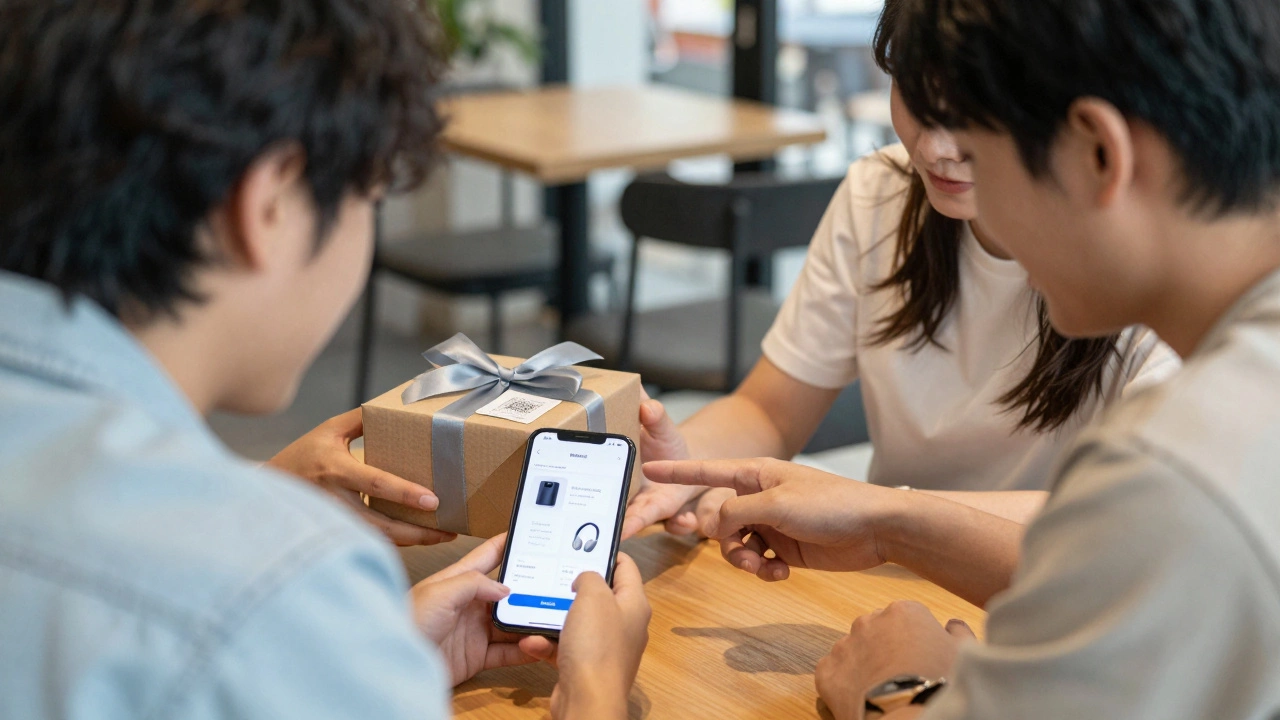
Setting up a wishlist on Slixa takes less than two minutes. You open your profile, tap "Add Wishlist," and start adding items. You can search by product name, paste a URL, or even upload a photo of something you like. Each item lets you add a short note: "My mom bought me this last year and I loved it," or "Need this for my new apartment." You can mark items as "already got" or "still want." It’s live, it’s editable, and it updates in real time.
When someone visits your profile, they see your list clearly organized. No passwords. No private accounts. Just a clean, public view of what you’d appreciate. You can also choose to make your list visible only to certain friends - or keep it completely private until you’re ready to share.
Why This Is Different From Other Gift Lists
Amazon has wishlists. Etsy has registries. But Slixa’s version isn’t tied to a store. It’s tied to you. You can mix a $3 coffee mug from a local artist with a $300 camera lens and a donation to your favorite animal shelter. It’s not about where you buy it - it’s about what it means. That’s the big shift.
Other platforms force you into their ecosystem. Slixa doesn’t care where the item comes from. It just cares that you care. That freedom makes it feel more personal. And because it’s built into your social profile, it feels less like a shopping list and more like a window into your life.
Real People, Real Use Cases
A teacher in Jakarta used her wishlist to ask for books on classroom psychology - not for herself, but to build a shared library for her students. A college student in Bandung listed a portable charger and a pair of noise-canceling headphones - things he needed for online classes but couldn’t afford on his own. His friends pooled together and bought both. He posted a thank-you note with a photo of him using them in the library.
Another user, a freelance designer in Yogyakarta, added a vintage typewriter she’d been searching for on eBay. Someone from her high school alumni group found it, bought it, and shipped it to her as a surprise. She cried when she opened the box.
These aren’t stories about expensive gifts. They’re about connection. About being seen.
Privacy and Control
Slixa doesn’t track what people click on your wishlist. They don’t sell your data. You own your list. You can delete items anytime. You can turn off comments. You can hide your list from search engines. There’s no analytics dashboard. No ads. No pressure to buy more. It’s just you, your list, and the people you trust.
And if you’re worried about oversharing? You can set your list to "friends only," or even make it visible only to people you’ve approved one by one. There’s no default public setting. Everything is opt-in.
What This Means for Gifting Culture
For years, gifting has been broken. We buy things we think people should want - not what they actually do. We spend hours scrolling, overpaying, returning gifts, or worse - pretending we love something we don’t.
Slixa’s wishlist flips that. It turns gifting from a guessing game into a conversation. It gives people permission to say: "This is what I need." And it gives givers permission to say: "I’m glad I got it right."
It’s not revolutionary. But it’s rare. And in a world full of noise, that matters.

What’s Next for Slixa
The team says they’re testing group wishlists - like for weddings, baby showers, or even team gifts. They’re also working on a feature that lets you suggest items from your own wishlist to someone else’s. Imagine sending a friend: "I saw this candle on your list - I think you’d love it. Here’s a link." No pressure. Just a quiet nudge.
They’re not planning to add paid promotions or affiliate links. No partnerships with big retailers. That’s intentional. Slixa wants to stay small. Personal. Human.
And for now, that’s enough.
How to Get Started
If you want to try it:
- Open the Slixa app or website.
- Go to your profile.
- Tap "Add Wishlist."
- Add your first item - even if it’s just one thing.
- Share it with one person you trust.
Don’t overthink it. Start small. You don’t need a full list. Just one thing you really want. That’s enough to start the conversation.
And if you’re the kind of person who always forgets birthdays? This might be the easiest way to make sure you never miss again.
There’s a quiet power in saying what you want - and being heard.
Some people use this to ask for experiences: a weekend getaway, a cooking class, a concert ticket. Others ask for time - "I’d love a night in with you and no screens." One user listed "a handwritten letter from someone I care about."
It’s not about the price. It’s about the meaning.
And if you’re wondering what to put on your own list? Look around your room. What’s something you’ve been meaning to buy but never did? What’s something you’ve mentioned in passing? That’s your starting point.
And if you’re still stuck? Try this: think of the last time someone gave you a gift that made you cry. What made it special? Now write that down. That’s your wishlist.
Don’t wait for someone to guess. Say it. Slixa makes it easy.
Meanwhile, if you’re curious about niche social trends, you might hear whispers of escort aris - not because it connects to gifting, but because human behavior is messy, and sometimes the internet reflects that in strange ways. But for most, Slixa is about something quieter, and more real.
And then there’s escort pairs - another unrelated search term, but one that shows how broad and unpredictable online curiosity can be. Slixa doesn’t chase those trends. It just builds something useful, for the people who need it.