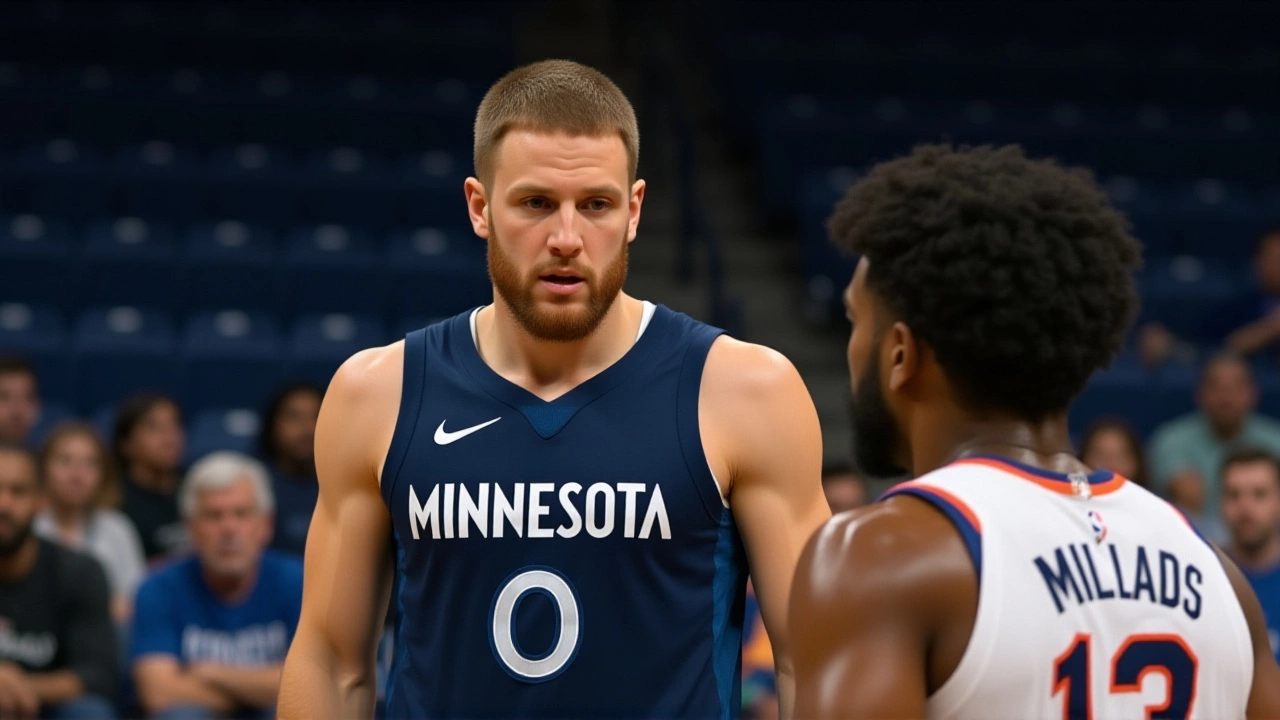
When the Minnesota Timberwolves hosted the Dallas Mavericks on November 17, 2025, at Minneapolis's Target Center, the final score — 120-96 — told only part of the story. What mattered more was the quiet, cascading effect of injuries that reshaped both teams’ identities on the floor. The Timberwolves won by 24 points, but they did it without their most explosive wing, Terrence Shannon Jr. Meanwhile, the Mavericks were missing their entire starting frontcourt. This wasn’t just a blowout. It was a reminder of how fragile NBA rosters can be when health becomes the ultimate wildcard.
Injuries Decimated Dallas’s Frontcourt
The Dallas Mavericks entered the game with a 4-10 record, and their injury report looked less like a team sheet and more like a disaster checklist. Anthony Davis, the All-Star power forward, was out with a left calf strain — a recurring issue that’s now dragging down Dallas’s defensive identity. His absence wasn’t just about scoring; it was about rim protection, spacing, and leadership. Without him, the Mavericks had no answer for Minnesota’s interior pressure.Then came the rest: Ryan Nembhard (knee), Daniel Gafford (ankle), and Dereck Lively II (knee) were all ruled out. That’s three of their top four big men. The last time Dallas started a game without Gafford and Lively II together? Never. They were supposed to be the backbone of their rotation. Now, they were watching from the bench in street clothes. TeamRankings.com noted each player’s status with clinical precision — “unlikely to play,” “not expected to play,” “managing with injury.” But the human cost? That was harder to quantify. Fans in Dallas saw a team trying to survive, not compete.
Minnesota’s Own Absences Didn’t Stop the Surge
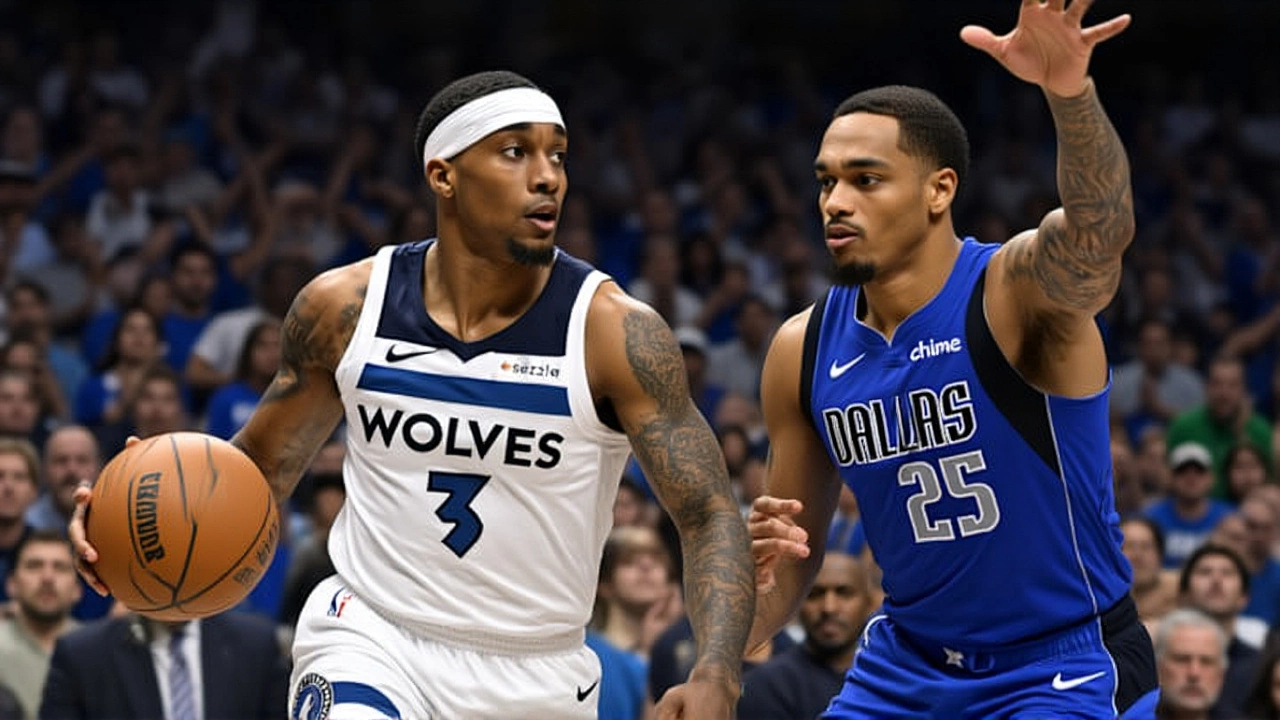
The Minnesota Timberwolves weren’t immune. Their own injury report listed Terrence Shannon Jr. as out with a bruised fifth metatarsal in his left foot — a painful, slow-healing injury that’s sidelined him since mid-November. ESPN projected his return around November 24, meaning he’d miss at least three more games. TalkBasket.net called his absence “removing an athletic wing option from Chris Finch’s rotation,” and that’s exactly what it felt like. Shannon’s speed and defensive versatility were missed, especially against Dallas’s perimeter shooters.Yet, the Timberwolves didn’t flinch. Anthony Edwards delivered 27.3 points per game on average this season, and on this night, he looked like the league’s next superstar — dropping 31 points, 7 rebounds, and 5 assists. Julius Randle orchestrated the offense with 21 points and 9 assists, while Donte DiVincenzo, playing through a face mask after a facial injury, hit 5 three-pointers. It wasn’t pretty. It wasn’t perfect. But it was efficient. Minnesota outscored Dallas 37-22 in the third quarter, turning a 10-point lead into a 29-point advantage. That’s when the Mavericks’ depth evaporated.
Why This Game Mattered Beyond the Box Score
This wasn’t just about who won. It was about what the injuries revealed. The Mavericks, despite their talent, are now a team in transition — reliant on young players like Cooper Flagg (15.6 ppg) and Max Christie to carry the load while veterans recover. Flagg, the 18-year-old rookie, played 34 minutes and showed flashes of brilliance, but he also looked overwhelmed at times. He’s not ready to be the centerpiece. Not yet.For Minnesota, the win was a statement. They’re not just surviving without Shannon. They’re adapting. Chris Finch, their head coach, has built a system that doesn’t rely on one star. It’s built on movement, defense, and depth — even when that depth is stretched thin. DiVincenzo’s performance under a face mask? That’s the kind of grit that defines playoff teams.
The bigger picture? The Western Conference is a minefield. The Timberwolves are now 9-6, clinging to a playoff spot. The Mavericks? At 4-10, they’re fighting for relevance. Every missed game, every delayed return, every injury report that says “undisclosed” or “no timetable” adds pressure. And with Anthony Davis’s recovery timeline still unknown, Dallas’s season could hinge on whether he returns healthy — or whether this injury becomes the beginning of the end.
What’s Next for Both Teams?
Minnesota’s next three games are against teams with losing records — Houston, Charlotte, and Sacramento. If they win all three, they’ll be in the top 6. But Shannon’s return on or around November 24 could be the spark they need. Imagine him back alongside Edwards — two athletic wings who can switch on defense and attack the rim. That’s a nightmare for opponents.Dallas, meanwhile, faces a brutal stretch: home against Phoenix, then road games in Denver and Golden State. Without Davis, Gafford, or Lively II, they’ll need Flagg to elevate. They’ll need D’Angelo Russell to be more than a playmaker — he’ll need to be a closer. And they’ll need their medical staff to work miracles. The team hasn’t submitted an updated injury report since November 17. That silence speaks volumes.
Behind the Numbers: The Real Cost of Absences
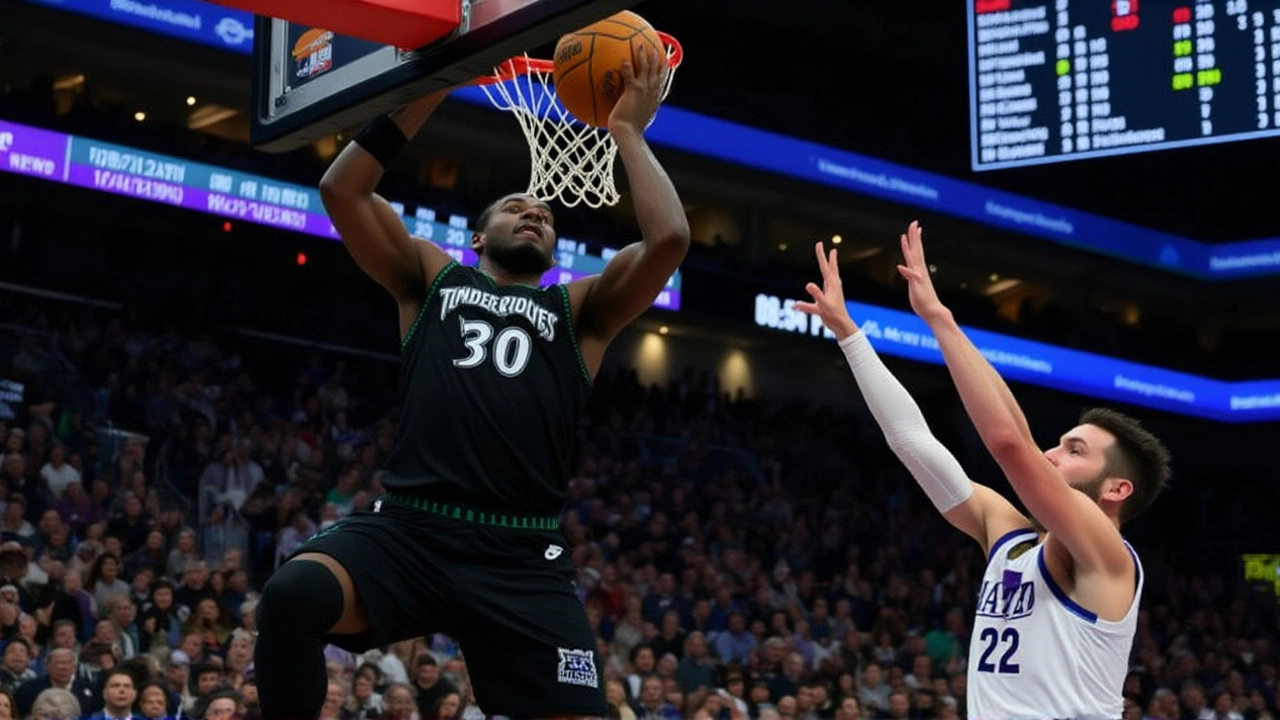
Let’s put this in perspective. The Mavericks’ top three big men — Davis, Gafford, Lively II — averaged 38.2 points and 18.7 rebounds per game this season. Together, they accounted for 62% of Dallas’s interior scoring. Without them, the team’s field goal percentage in the paint dropped from 59% to 44% in their last five games. That’s not a slump. That’s a collapse.Minnesota, despite losing Shannon, still led the NBA in defensive rating among teams with a top-5 offense. That’s because they have structure. Randle, Edwards, and McDaniels all defend multiple positions. DiVincenzo? He’s a glue guy. He doesn’t need to be the star. He just needs to be on the floor.
Meanwhile, Dallas’s bench — once a strength — now includes 20-year-old rookies and two-way players. It’s not a rebuilding year. It’s a survival year.
Frequently Asked Questions
How does Terrence Shannon Jr.’s absence impact the Timberwolves’ playoff chances?
Shannon’s absence weakens Minnesota’s wing depth and defensive versatility, especially in late-game situations where his athleticism could switch onto guards or forwards. His return around November 24 could restore balance, but until then, the team relies on Edwards and McDaniels to shoulder more scoring and defensive load — increasing injury risk. Without him, their bench lacks a true 3-and-D option, which could hurt in a playoff series against elite perimeter teams.
Why is Anthony Davis’s injury so critical for the Mavericks?
Davis isn’t just a scorer — he’s Dallas’s last true rim protector and a floor spacer who draws double-teams. His absence forces the Mavericks to play smaller, which exposes them against teams with strong inside presence like Minnesota. His injury also disrupts chemistry; he’s the only player on the roster with All-NBA experience. Without him, the team lacks leadership in crunch time and struggles to close out games.
What does the lack of an official injury report from Dallas suggest?
The Mavericks’ failure to submit an updated injury report after November 17 raises red flags. Either the team is uncertain about player availability — suggesting deeper issues — or they’re intentionally withholding information to gain a psychological edge. Either way, it signals instability. Teams that communicate clearly about injuries tend to manage expectations better; Dallas appears to be flying blind.
Could Cooper Flagg become the new face of the Mavericks?
Flagg has shown elite potential — 15.6 points and 6.7 rebounds as an 18-year-old rookie — but he’s not ready to carry a franchise. He still turns the ball over too often and struggles with defensive positioning. The Mavericks can’t rely on him as a primary option yet. He needs a veteran mentor and a system built around his strengths. Right now, he’s being asked to do too much, too soon.
How did Donte DiVincenzo play through a face mask?
DiVincenzo suffered a facial injury in early November and returned wearing a protective mask — a common practice in the NBA. He played 31 minutes against Dallas, shooting 5-of-9 from three. His ability to perform under physical discomfort showed mental toughness. Many players struggle with vision or breathing issues wearing masks, but DiVincenzo adapted quickly, proving his value as a clutch shooter and defensive pest.
What’s the long-term impact of these injuries on the 2025-2026 NBA season?
Injuries like these can alter playoff seeding, trade decisions, and even coaching strategies. For Minnesota, staying healthy could mean a top-4 seed. For Dallas, continued absences might push them into a play-in tournament — or worse, out of contention entirely. Teams with deeper rosters and better medical staff will thrive. Those relying on star power alone — like the Mavericks — risk falling behind.